
Reimagining education through culture, community and story
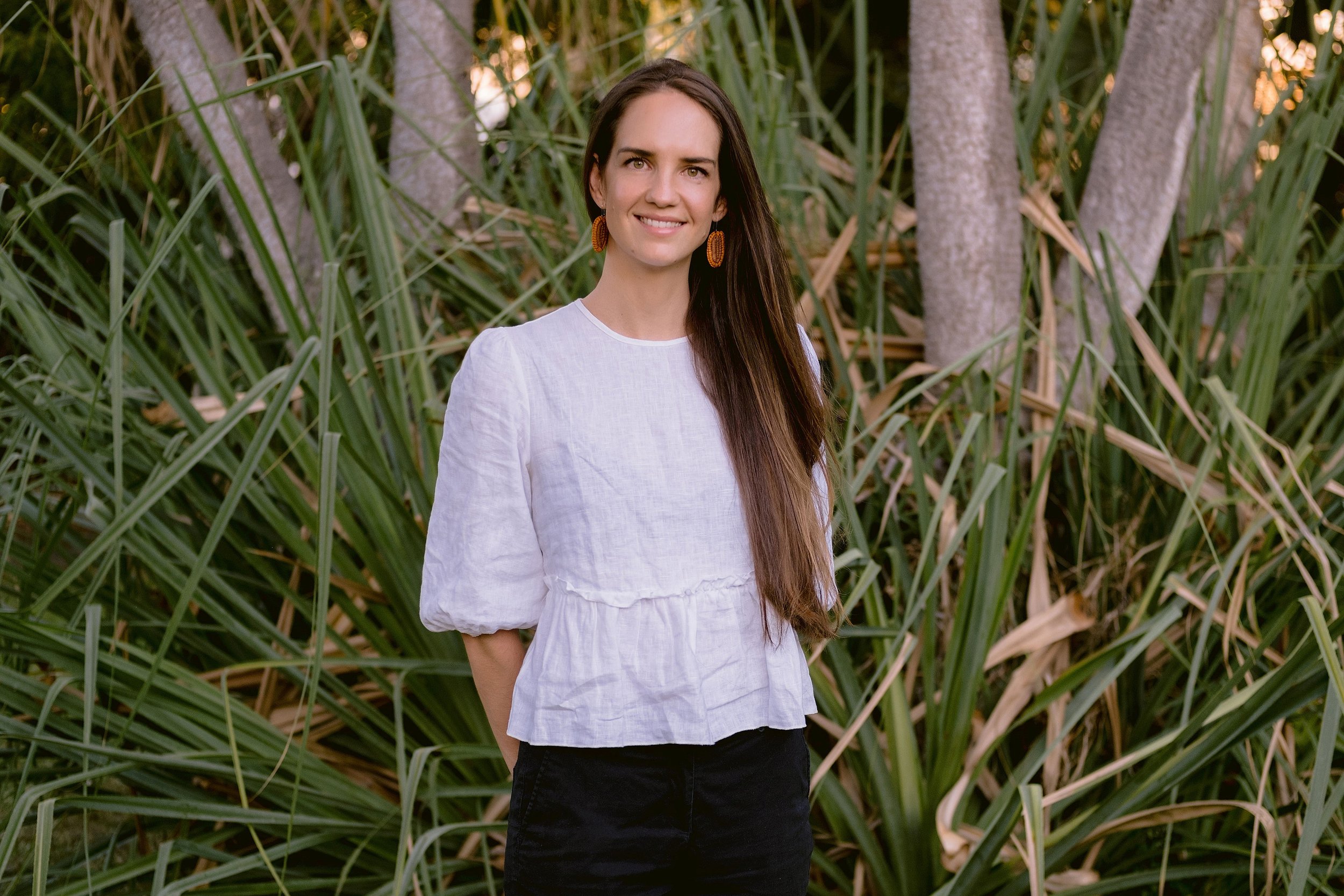
For Gumbaynggirr woman Lilly Brown, education has always been about more than what happens inside a classroom.
As CEO of Magabala Books, the country’s oldest independent Indigenous publishing house, Lilly brings together a background in education, community engagement, youth work and organisational leadership to support First Nations stories, knowledge and voices.
Some of the most rewarding professional experiences of her career have been working alongside young people and Elders, helping children engage with education in ways that are meaningful to them and their communities.
“I really value books. I think that they support people. If you can read, then it makes a whole new world accessible that might otherwise not be,” Lilly says.
Her pathway to Magabala Books brought together her professional experience and a long-standing love of reading and storytelling. She had worked across education and youth mental health, including as an Executive Director at headspace National Youth Mental Health Foundation, before the opportunity to lead Magabala Books arose.
For Lilly, the organisation was a natural fit.
“I had what Magabala required at the time. I could actually offer my experience to Magabala at this point in time and its history as an organisation.”
Story as education
For Lilly, Magabala's work is deeply connected to education.
The organisation's purpose extends beyond producing books. It is about supporting First Nations creators to tell their own stories and ensuring those stories can reach children, families, educators and communities.
Lilly describes this as part of Magabala's commitment to story sovereignty - not only who tells a story, but how a story comes into being and what happens after it is published.
A book can become a tool for connection between a parent and child, an entry point for seeing the world differently, or a way for children to recognise their own lives and communities in what they read.
For Kimberley communities, this is particularly powerful.
“Kimberley-based mob are in such an exceptional circumstance where they have all these published texts that reflect the diversity of the life worlds of what it means to be a Kimberley Aboriginal person” Lilly says.
She is excited to see that work expanding, with Magabala publishing stories from First Nations communities across Australia.
For children, that representation matters.
Lilly recalls watching her own daughter choose a Magabala book from the bookshelf at school and recognising the Magabala logo before sitting down to read.
“It’s really special, I think, for kids in those different places and for non-Indigenous kids as well, to be able to pick those stories up and value what it means to be in a place.”
Bringing First Nations stories into classrooms
Lilly believes schools have an important responsibility to seek out First Nations-authored resources and incorporate them meaningfully into learning.
She challenges the idea that good engagement with First Nations communities can only happen by inviting a local person into a classroom.
Community engagement is important, Lilly says, and so to are published First Nations stories that offer another accessible and sustainable way for educators to bring First Nations perspectives into learning.
“Books represent a strategic decision made by Aboriginal person to make a story accessible and available,” she says.
For Lilly, that means educators have a responsibility to seek out First Nations stories in published form - stories that have been created and shared intentionally by First Nations authors and knowledge holders.
Her own favourite Magabala children's book is currently Going For Pippies, by Wilaaran Laurie who was five years old when he told the story this story of family, Country and connection through a his experience of gathering pippies.
The book was written Wilaaran and illustrated by a young Torres Strait Islander woman Tori-Jay Mordey, offering children a story told through a First Nations child's perspective.
For Lilly, it is an example of the power of children seeing complex, ordinary and joyful First Nations lives represented in books.
Education shaped by community
Lilly believes First Nations people, families and communities must have genuine authority over their children's education.
Her own academic background includes a PhD in education examining the relationship between the criminal justice system and education system. Through this work, she has developed a deep understanding of the ways education systems can impact First Nations children and families.
She says Aboriginal parents are often navigating a difficult reality: wanting their children to access education while knowing that schools have not always been safe places for Aboriginal children.
“Self-determination in education is us having the opportunity to reinscribe schools and those formal education spaces with the things that are of value to us.”
For Lilly, that can mean growing educators from within communities, embedding First Nations perspectives throughout curriculum and school culture, and ensuring First Nations people have genuine decision-making power.
She points to community-led education initiatives as examples of what can happen when culture and community are central to learning.
The challenge, she says, is moving beyond relying on the goodwill of individual school leaders.
“If you've got leadership that are only operating from a place of goodwill, then you have a principal that leaves and everything falls apart. So, it's around handing power over.”
What does cultural safety look like?
For Lilly, cultural safety starts with addressing racism.
“A space has to be free of racism. And racism is not just interpersonal, it's also structural.”
She says culturally safe classrooms require more than preventing overt racist behaviour. They need to actively challenge the structures and assumptions that have historically shaped education.
That includes ensuring classrooms contain resources that reflect the diversity and humanity of First Nations peoples.
“Safe, culturally safe classrooms look like classrooms that rehumanise First Nations people.”
For Lilly, this benefits everyone.
When First Nations perspectives are genuinely embedded into education, all students have the opportunity to learn about the world's oldest living cultures in meaningful and respectful ways.
Beyond closing the gap
Lilly believes the conversation about First Nations education needs to move beyond simply closing gaps in measures such as attendance, employment or NAPLAN results.
“Closing the gap is not enough.”
She wants education systems to ask deeper questions about what education is for and what success means for First Nations children, families and communities.
Education should support children to maintain language, culture, connection to Country, relationships with Elders and a strong sense of identity - alongside academic achievement.
For Lilly, this is ultimately about self-determination.
She believes First Nations communities should have the authority to shape education systems that reflect their own aspirations and circumstances, including through community-controlled schools and education organisations.
“I think that education looks different for every person, for every family, for every community.”
Her vision is for an education system where First Nations children are not asked to leave their culture at the door, but are supported to grow strong in who they are.
“I want my children, and their children and the generations that follow to stand strong and proud in who they are and where they come from. To me, that starts in schools and classrooms.”